























































Our Latest Blogs

Pulmonary Function Test CPT Codes for 2026

Pulmonary function testing may be scheduled as a single diagnostic service, but the billing process can involve several separate procedures. Spirometry, bronchodilator response testing, lung-volume measurement and diffusion-capacity testing each

Read More »

How Practices Identify and Recover Payer Underpayments

A payer underpayment occurs when a claim is paid but the amount received falls below the rate the practice’s contract or the applicable fee schedule requires. Unlike a denial, an underpaid claim usually posts as paid, closes with a zero balance and never appears on a denial report. The shortfall...

Read More

The Medicare 60-Day Overpayment Rule: What Practices Must Know

Under the Medicare 60-day overpayment rule, a provider that identifies an overpayment from Medicare or Medicaid must report and return it within 60 days of identification. The requirement comes from Section 1128J(d) of the Social Security Act, which the Affordable Care Act added. CMS implements it for Medicare Parts A...

Read More

FY 2027 ICD-10-CM Updates: What Practices Need to Change Now

The FY 2027 ICD-10-CM updates bring important changes to diagnosis coding and medical billing, requiring healthcare practices to review their coding systems and claim submission processes. Effective October 1, 2026, the updated code set applies to patient encounters through September 30, 2027. According to the CDC and CMS update summary,...

Read More

CARC vs RARC Codes: What’s the Difference?

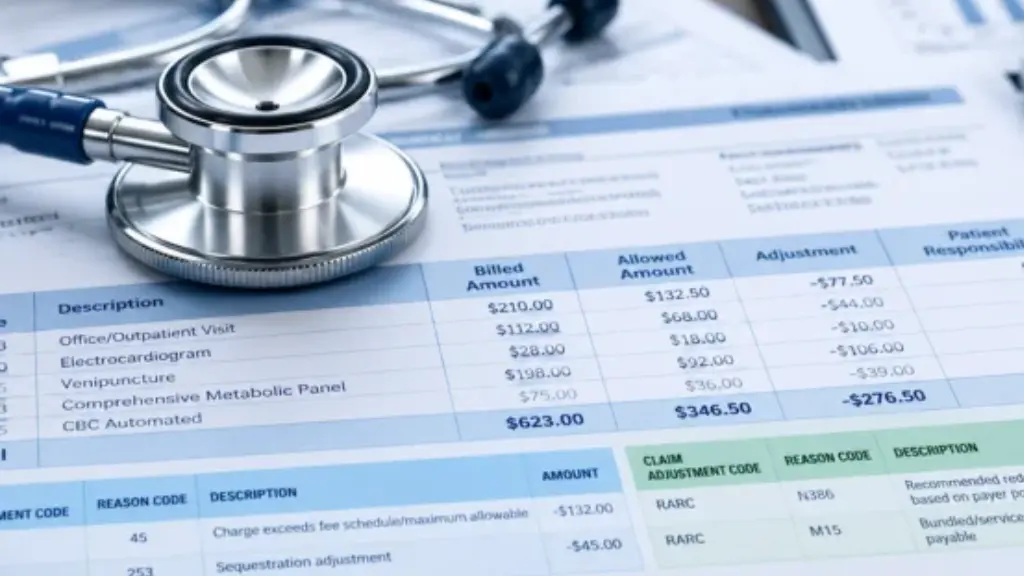
When a payment posts below the expected amount, the remittance usually includes a reason code such as CO-16 alongside a remark code such as N290. Practices that review only the first code may resubmit the claim without correcting the issue the payer has identified, which can delay reimbursement and create...

Read More

What Is Coordination of Benefits in Medical Billing?

When a patient presents two insurance cards at check-in, the order in which those plans are billed has a direct effect on reimbursement. Recording only one plan or assigning the wrong plan as primary frequently results in denial and delayed payment. Thorough insurance verification prevents most of these errors, yet...

Read More

Pediatric Vaccine Coding: What Providers Need to Know

A routine four-month well visit can generate eight or more claim lines, and each one must align correctly before submission. Vaccine product codes, administration codes, units, and the preventive visit code often appear on the same claim. Missing even one administration unit can reduce reimbursement without necessarily triggering a denial....

Read More

HME vs DME Billing: What Providers Need to Know

Equipment claims are often denied for reasons that have little to do with the equipment itself. A hospital bed may be delivered correctly and on time, only for the claim to be denied weeks later because the item was classified, documented or coded incorrectly. These small billing errors can delay...

Read More
Scroll to Top
medlifembs logo
Schedule An Appointment